




Kogi Central 2027: From Photo Finish to Political Earthquake? The Bello vs Natasha Rematch Reshaping Ebira Politics
By Abu Micheal
Kogi Central Senatorial District is about to do what it does best: defy expectations. In 2023, the race between Senator Natasha Akpoti-Uduaghan of the PDP and Engr. Abubakar Ohere of the APC ended in court drama and a judicial overturn.
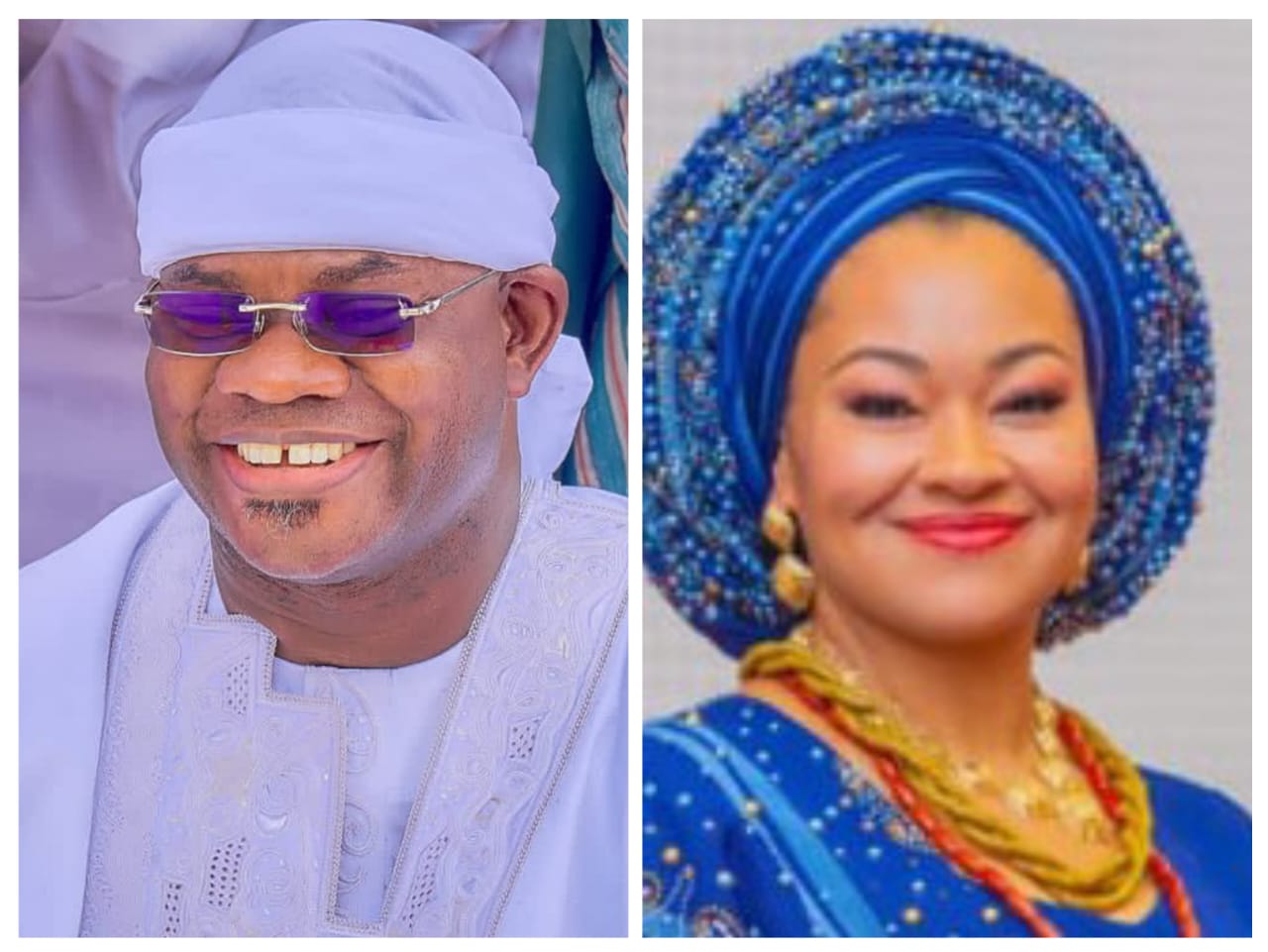
By 2027, the script has flipped. The man who lost as a sitting governor, former Governor Yahaya Bello, is now the APC flag bearer – not from the Government House, but from the streets, with the full machinery of Governor Usman Ahmed Ododo behind him.
If 2023 was tense, 2027 is shaping up to be titanic. This won’t be “business as usual” or even “business unusual.” It will be a photo finish, but fought on a completely different chessboard.
Since 2023, the ground has shifted. Natasha won five of six LGAs then, relying on razor-thin margins and a strong showing in parts of Ganaja, Geregu Ward in Ajaokuta LGA. Bello lost as governor but learned.
Now he’s campaigning house-to-house during Sallah, visiting former critics who say Gov. Ododo has addressed their yearning and aspirations. In 2023, primary school teachers and civil servants were a wedge against the APC. Regular salary payments under Ododo have, for now, calmed that base.
In Kogi politics, a paid Civil servant is a different voter. The insecurity that defined Central for years has also reduced. Ododo’s unassuming governance style has, according to observers, disarmed strong opposition without force. Perception matters at the polls.
Bello enters 2027 with two weapons he lacked in 2023: legacy and machinery. Roads were facelifted across LGAs under him. He left behind the world-class Kogi Reference Hospital Okene and Confluence University of Science and Technology Osara, now competing with Prince Abubakar Audu University Anyigba amongst several others accomplishments. These are campaign points he can point to, not promise. For the first time in a decade, Heads of Service have been from Central. GRA Lokoja now has more Ebira-owned houses than before Bello. Appointment plus empowerment equals grassroots loyalty. That “liberation narrative” is Bello’s strongest emotional pitch.
No analysis is complete without the fault lines. Ogori-Magongo LGA felt neglected under Bello. Their support was crucial for Natasha in 2023 and for the governorship. The return of the House of Assembly seat to Ogori is a gesture, but protest votes in Magongo’s four wards remain a risk. Dialogue will decide this. Ajaokuta and Ganaja have long been APC’s headache. But with the first Ganaja Chairman in Ajaokuta LGA history, Haruna Ganaja, and new government infrastructure like motorized boreholes, the first public junior and senior school, and a primary health centre, APC is changing the conversation. The efforts at the resuscitation of Greater Lokoja Water Works will add to that. The Steel Complex remains the elephant in the room, but “betterment” is now the APC talking point.
Party discipline is another factor. In 2023, APC appointees angry with Bello worked against APC openly and secretly. That mistake won’t repeat in 2027. Men and women like Accountant General Hajia Habibat Onumoko are already on advocacy duty. Party structure plus personal loyalty means tighter mobilization.
And then there’s the money game. 2027 will be won on resources. State coffers plus Bello’s personal war chest equals funding levels far beyond 2023. Natasha had the financial upper hand last time. That advantage looks uncertain now. In Nigerian politics, grassroot-centred elections still run on diesel, mobilization, and logistics.
INEC dismantled results “at the dying minute” in 2023. In 2027, the institutions remain, but the political environment is different. Turnout, monitoring, and post-election litigation will be as important as voting day. Both camps know this.
Kogi Central doesn’t vote for personalities alone. It votes for dignity, access, and who remembers us. Bello is banking on memory plus machinery. Natasha is banking on record plus resistance. Is liberation through appointments enough, or do voters want legislative representation that’s adversarial to the executive? Can Natasha replicate her 2023 coalition without the same level of protest votes from Ogori-Magongo and Ganaja? Will development optics beat incumbency optics – roads and hospitals versus “my Senator is fighting for us in Abuja?”
Whoever wins, 2027 will not be 2023. It will be louder, richer, and more personal. And like always in Ebira land, the margin will be slim – but the impact will be generational. All options considered, the race is tilting towards Bello. For now, it may look good but every inch and minutes matters in politics that can make the difference.