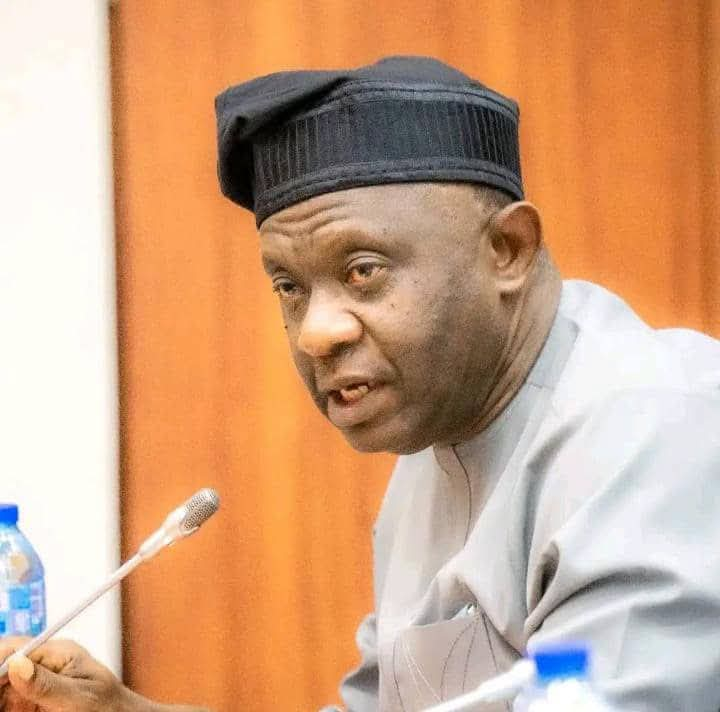








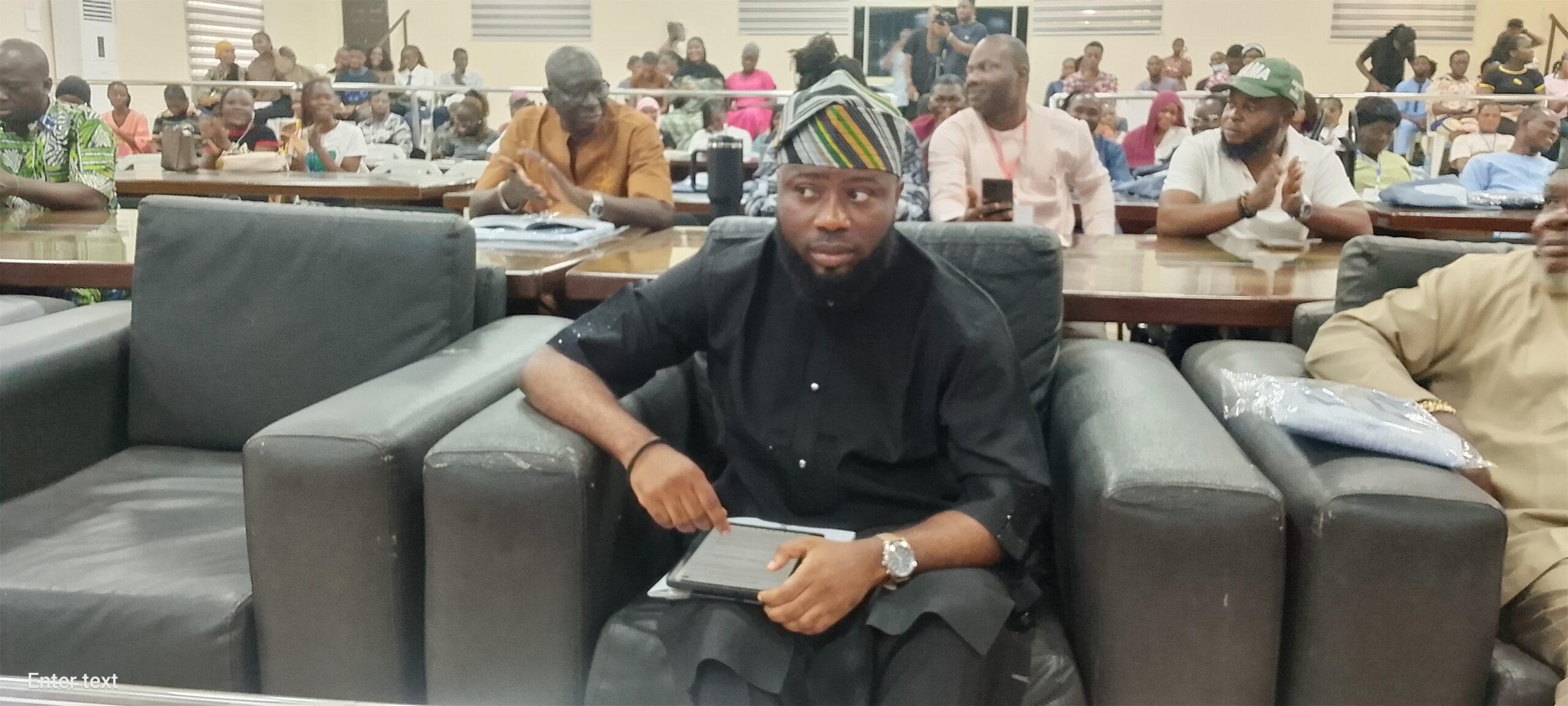
The Kogi State Commissioner for Youth and Sports Development, Hon. Aridaojo Monday Anyebe, has called on young people to use literature, indigenous languages and popular culture as tools for self-expression, cultural preservation and societal transformation.
Anyebe made the call while delivering an address at an international seminar on Young Adult Literature, Language and Popular Culture, held at the Federal University Lokoja, Kogi State.
The seminar, themed “Youth Voices Unbound: Reimagining Worlds Through Young Adult Literature, Language and Popular Culture,” brought together stakeholders to examine the role of young people in shaping society through creative expression, communication and cultural engagement.
The commissioner described the theme as timely and significant, noting that young people possess ideas, experiences, aspirations and stories that deserve recognition and platforms for expression.
He stressed that young people should not be regarded merely as leaders of tomorrow, but as active contributors to societal development today through books, music, films, social media and everyday communication.
According to him, young adult literature provides an important platform for young people to explore issues of identity, friendship, belonging, injustice and the challenges of growing up, while helping them understand themselves and the society around them.
He also highlighted the influence of language and popular culture in shaping youth identity, observing that the creative expressions of young people should not be dismissed as mere youthful trends, as they often provide powerful channels for communicating ideas and influencing society.
Anyebe said the Kogi State Government, under the leadership of Governor Ahmed Usman Ododo, recognises education, human capital development and youth empowerment as critical pillars of development.
He noted that the administration had continued to implement interventions in education, student support and skills acquisition to prepare young people for emerging opportunities and challenges.
However, he maintained that genuine youth empowerment must go beyond academic certificates and vocational training to include opportunities for reading, writing, critical thinking, creativity and intellectual development.
The commissioner observed that young people who write meaningful stories, preserve indigenous languages, produce impactful films or use digital platforms to promote positive ideas are making valuable contributions to society.
He further emphasised the need to preserve Kogi State’s rich cultural heritage and diverse linguistic traditions by encouraging young people to document their experiences, promote indigenous languages and share their cultural narratives with the wider world.
“Our stories should not disappear. Our young people should not always look elsewhere to find narratives that reflect their identities,” he said.
He called on educators, researchers, writers and policymakers to create supportive platforms that would enable young people to express their ideas and develop their creative abilities.
Anyebe also identified opportunities for the Kogi State Government, educational institutions and cultural organisations to strengthen existing youth empowerment initiatives through support for creative writing, literary activities, indigenous languages and youth-driven cultural programmes.
He urged stakeholders to
recognise the importance of giving young people not only the skills to succeed but also the freedom and confidence to imagine and contribute to the future they desire.
The commissioner said a society that genuinely prepares its younger generation must create an environment where education develops the mind, literature inspires imagination, language preserves identity and popular culture amplifies youthful voices.
He concluded that providing young people with the opportunity to tell their stories would also enable them to shape the narratives and future of society.