



A Strategic Blueprint for National Renewal, Prosperity, and Global Relevance
*By Dr. Jerome Aduojo Agi, Ph.D.*
Nigeria stands at one of the most defining moments in its democratic journey. Faced with economic hardship, insecurity, unemployment, declining public confidence in institutions, and increasing social divisions, the nation continues to search for leadership capable of inspiring hope, restoring confidence, and accelerating national development.
The vision of a “New Nigeria” has therefore become more than a political slogan; it has evolved into a national aspiration. It reflects the desire of millions of Nigerians for a country where justice prevails, opportunities abound, institutions function effectively, and leadership is driven by competence, accountability, and national interest.
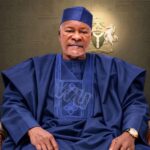
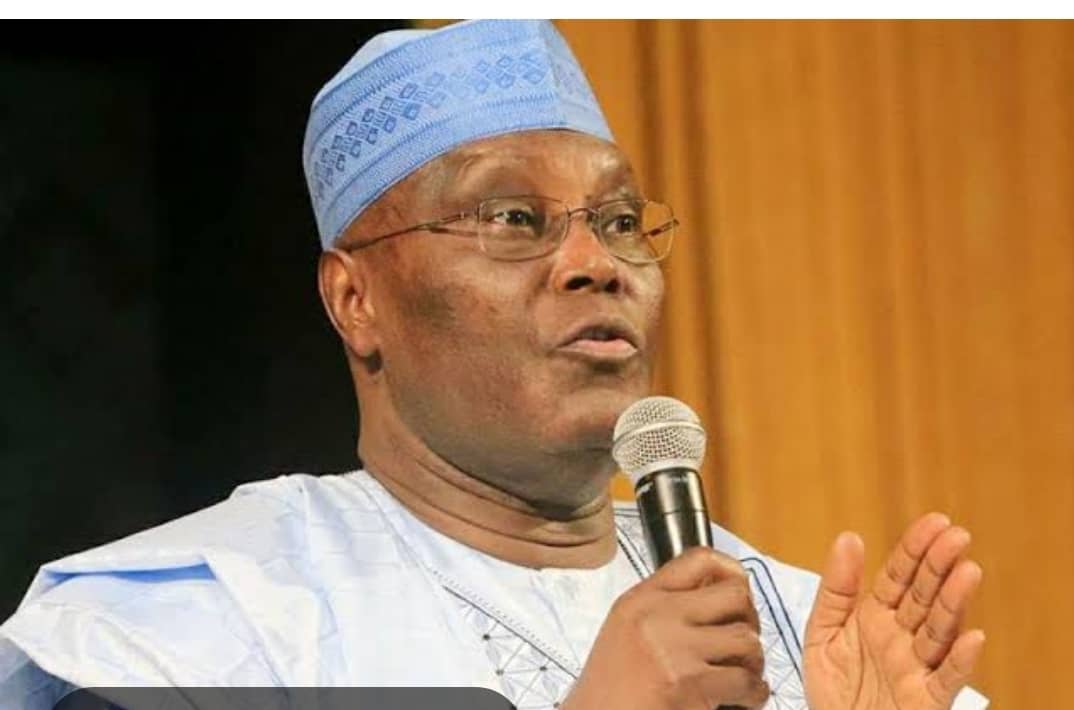
Within this context, few political personalities have generated as much debate, admiration, criticism, and sustained national relevance as former Vice President Atiku Abubakar. Over the past three decades, he has remained one of the most influential figures in Nigeria’s democratic evolution, surviving political transitions, electoral contests, alliances, betrayals, and ideological disagreements while remaining an active participant in national affairs.
*A CAREER BUILT ON PUBLIC SERVICE.*
Before entering partisan politics, Atiku Abubakar served in the Nigeria Customs Service, where he rose through the ranks before voluntarily retiring. He subsequently ventured into business, becoming one of Nigeria’s most successful private investors.
His election as Governor-elect of Adamawa State in 1999 was overtaken by his nomination as running mate to General Olusegun Obasanjo, leading to his emergence as Vice President of the Federal Republic of Nigeria from 1999 to 2007.
During the first term of the Obasanjo administration, Atiku chaired several strategic economic bodies, including the National Economic Council and the National Council on Privatisation. Supporters credit this period with major economic reforms, debt negotiations, banking reforms, telecommunications liberalization, and increased private-sector participation in the Nigerian economy.
Many analysts consider the years between 1999 and 2003 among the administration’s strongest reform periods.
*THE OBASANJO –ATIKU POLITICAL DIVORCE.*
One of the defining political developments of Nigeria’s Fourth Republic was the eventual breakdown of the once-powerful partnership between President Olusegun Obasanjo and Vice President Atiku Abubakar.
Political observers generally identify several major factors behind their disagreements.
One widely discussed issue was President Obasanjo’s proposed constitutional amendment that would have allowed him to seek a third presidential term. Atiku publicly opposed the proposal and aligned himself with legislators and political leaders who argued that it was inconsistent with Nigeria’s constitutional democratic principles. The amendment ultimately failed in the National Assembly.
Another source of tension was the growing political influence of Atiku within the Peoples Democratic Party (PDP). As Vice President, he developed extensive political relationships across the federation, becoming one of the party’s most influential figures. Some political commentators have argued that this growing influence created concerns within the Presidency, although interpretations differ.
Political historians have also written about efforts by some PDP governors and party leaders during the early 2000s to influence succession politics within the party. Various accounts discuss differing political alignments involving governors such as Orji Uzor Kalu and other influential stakeholders. However, the motivations and extent of those efforts remain matters of political interpretation and debate.
*LEGAL BATTLES AND CONSTITUTIONAL VICTORIES.*
The disagreement between President Obasanjo and Vice President Atiku eventually moved beyond politics into prolonged legal battles.
During this period, the Presidency sought judicial clarification on several constitutional issues involving the powers and political status of the Vice President. Nigerian courts delivered several landmark judgments that reinforced constitutional procedures regarding executive powers and political rights.
These judicial decisions became important precedents in Nigeria’s constitutional democracy.
Supporters of Atiku often point to these court victories as evidence of his confidence in the rule of law and constitutionalism.
*CORRUPTION ALLEGATIONS AND PUBLIC DEBATE.*
Like many prominent political leaders, Atiku Abubakar has faced allegations of corruption over the course of his political career. He has consistently denied wrongdoing and has maintained that many of the allegations were politically motivated.
His supporters frequently argue that despite years of investigations, political disputes, and intense scrutiny during and after the Obasanjo administration, no Nigerian court has convicted him of corruption.
His critics, however, continue to question aspects of his public record and business interests.
These contrasting perspectives illustrate the continuing public debate surrounding one of Nigeria’s most prominent political figures.
*LEADERSHIP THROUGH MENTORSHIP* .
Perhaps one of Atiku Abubakar’s most enduring political characteristics is his commitment to mentoring younger politicians.
Across several decades, numerous governors, senators, ministers, legislators, and political office holders have either worked directly with him or emerged through political structures associated with him.
Supporters describe this as a leadership style that emphasizes empowerment, delegation, and talent development rather than centralized political control.
They argue that even after political disagreements and defections, Atiku has continued to maintain relationships across party, ethnic, and religious lines.
Whether one agrees with his politics or not, his influence on political leadership development in Nigeria is widely acknowledged.
*A POLITICIAN FREQUENTLY MISUNDERSTOOD.*
Few Nigerian politicians have attracted as much sustained public criticism while remaining politically relevant.
Supporters contend that Atiku has often been misrepresented, misunderstood, and subjected to intense political attacks.
Critics maintain equally strong reservations about aspects of his political record.
Regardless of one’s position, Atiku’s resilience is remarkable.
Despite numerous electoral defeats, political realignments, defections, and internal party crises, he has consistently returned to national politics without abandoning democratic processes.
His calm public disposition during periods of intense political pressure has become one of the defining features frequently highlighted by his supporters.
*THE ECONOMIC VISION.*
For many economists and policy analysts, Atiku’s strongest appeal lies in his economic philosophy.
His long-standing advocacy for private-sector-led growth, restructuring, fiscal federalism, investment promotion, entrepreneurship, and economic liberalization aligns with policies adopted by many emerging economies.
Supporters believe these reforms could stimulate industrial growth, attract investment, expand employment, and improve Nigeria’s competitiveness.
Critics caution that such reforms would require strong institutions, effective regulation, and social protections to ensure that economic benefits are broadly shared. Atiku Abubakar had advocated for the development of the Niger Delta , including support for policies that eventually contributed to the establishment of the Niger Delta Ministry . This is a quality of an example of Leadership that seeks long term solutions to regional challenges while promoting national stability.
*A NEW NIGERIA REQUIRES STRONG INSTITUTIONS.*
Ultimately, the future of Nigeria cannot depend on any one individual.
No democracy becomes sustainable solely through charismatic leadership.
The enduring strength of any nation lies in its institutions, independent judiciary, credible elections, accountable public service, professional security agencies, responsible media, and informed citizens.
Leadership matters—but institutions matter even more.
*CONCLUSION* .
Whether Nigerians ultimately choose Atiku Abubakar or another candidate in future elections, the country’s democratic progress depends on informed choices based on evidence, policies, competence, integrity, and national interest rather than misinformation or personality-driven politics.
The idea of a “New Nigeria” is larger than any individual politician. It is a collective national project requiring visionary leadership, institutional reform, economic transformation, and active citizen participation.
Atiku Abubakar remains one of the central figures in that national conversation. His record continues to generate both admiration and criticism, and history will ultimately judge the impact of his contributions.
Nigeria’s diversity remains one of its greatest strengths, and sustainable development requires leadership capable of building consensus across ethnic, religious , and regional divides. Hence, addressing insecurity through intelligence-driven policing, economic empowerment , and institutional reforms is viewed as essential for national progress. As Nigeria looks. toward the future, citizens bear the responsibility of carefully evaluating every presidential contender on the basis of their experience, ideas, character, and demonstrated capacity to strengthen democracy and improve the lives of all Nigerians.
Only through informed democratic participation can Nigeria build the peaceful, prosperous, and globally respected nation to which its people aspire.