International week of the Deaf: CPI harps on protection of Human Rights of the Deaf.
By ATABOR JULIUS.
The need to enhance the wellbeing and protection of the human rights of people with special needs has been described as a catalyst to guarantee their meaningfully contributions to the growth and development of the nation.
This is just as the government is tasked to include them in the formulation of policies that reduces stigma associated with their conditions.
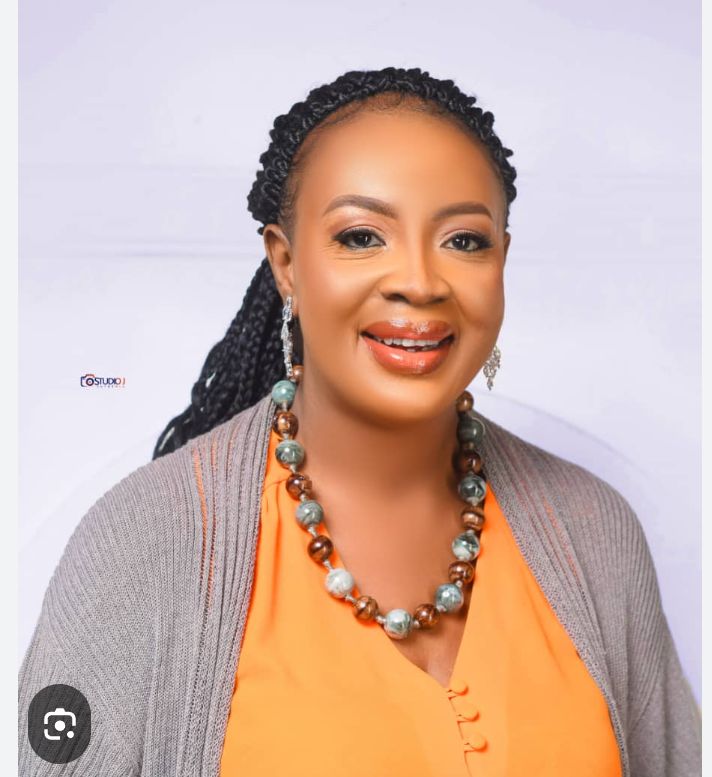
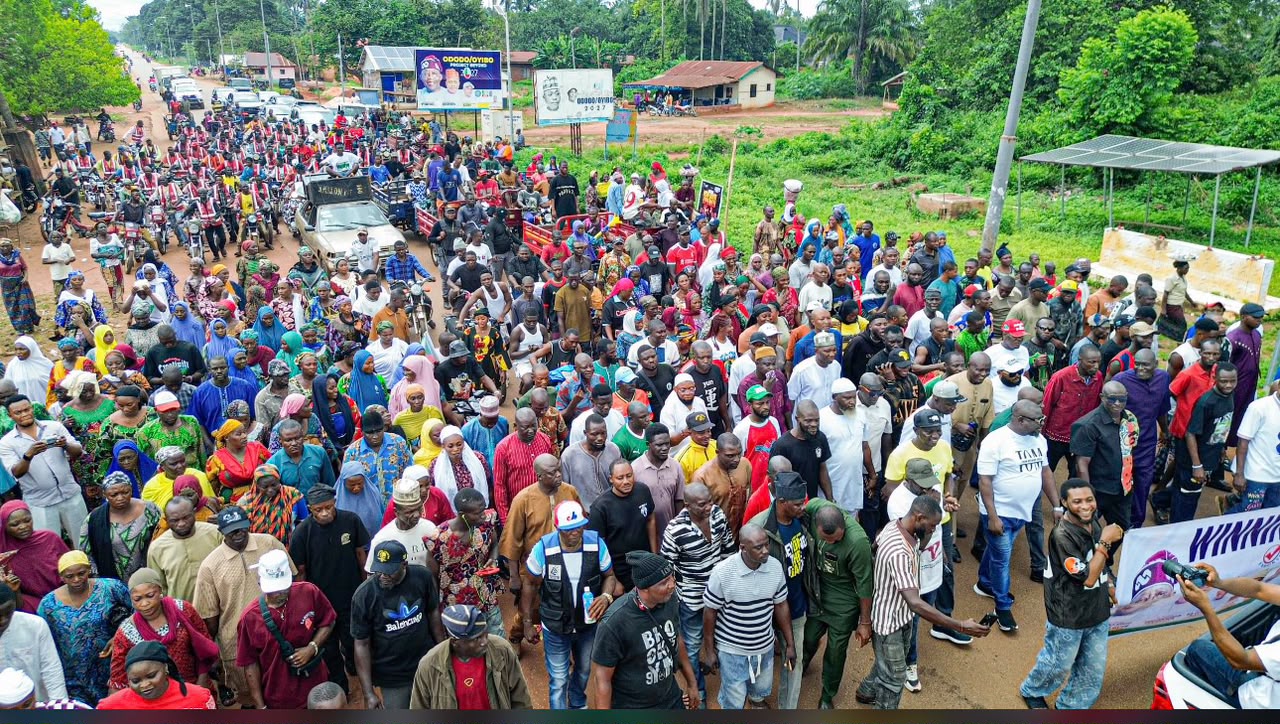
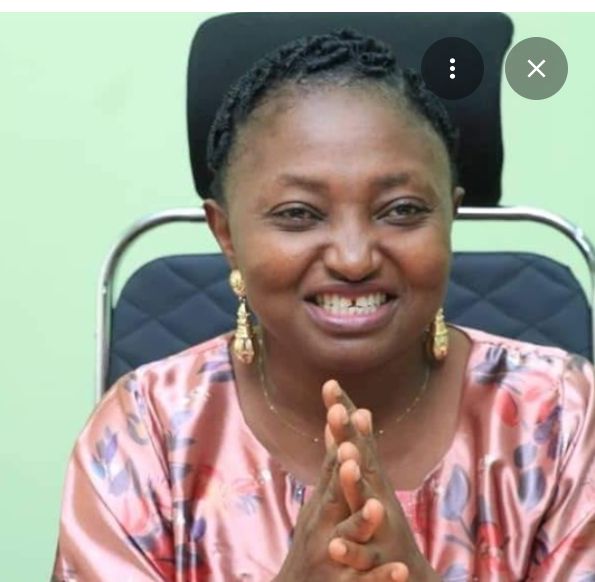
This was disclosed by CPI Executive Director, Challenged Parenthood Initiative, Eunice Abimbola Agbogun at a three day seminar with the theme “Protect, Promote and Recognise Deaf People’s Human Rights, held today in Lokoja.
Agbogun noted that the issue of human Rights transcends beyond the elementary rights of the people to the underlining rights of total inclusion of all persons in the society irrespective of physical and physiological challenges.
She added that the third edition of the North Central Association of the Deaf Zonal Conference. is a wake up call to policy markers to stamp out all discriminations against people with a disability.
She decried the situation where people viewed human rights only on the basis of laws, and international treaties,neglecting the core values that inhibits the care and wellbeing of challenged people from infancy to adulthood .
She added that human rights begin much closer to home, when a deaf child enters a classroom and is able to understand the teacher., when a deaf woman walks into a hospital and can communicate with healthcare providers without fear or confusion ,when a qualified deaf graduate is judged by competence rather than disability., when a deaf citizen can access justice, participate in elections, obtain information, and contribute meaningfully to national development.
Agbogun explained that Human rights are not special privileges, they are not acts of charity, they are fundamental entitlements that belong equally to every person.
She said Human Rights,abuses could not be more timely than when a little girl who arrives at school on her very first day, eager to learn, excited about the future. The teacher smiles, the other children laugh and play, but before the first lesson even begins, she discovers that no one in the classroom understands her language, saying although She is present, yet excluded. and surrounded by people, yet alone, not because she lacks intelligence but because society never prepared itself to communicate with her.
.
She opined that Human rights are not special privileges, they are not acts of charity, they are fundamental entitlements that belong equally to every person, lamenting that society considered these rights as an aspiration than a reality. .
She warned that many brilliant minds have been overlooked because society failed to communicate with them as their dreams have been delayed because accessibility was treated as an afterthought even as many voices have gone unheard, not because they had nothing to say, but because the society failed to listen in the language they speak.
She noted that the greatest barrier facing deaf persons is often not deafness itself but the barriers of attitude , communication, policies and infrastructure created by the society .
“As we gather today, we must ask ourselves difficult but necessary questions.
Are our schools truly inclusive?
Are our courts accessible?
Can deaf persons receive quality healthcare without communication barriers?
Are workplaces prepared to embrace diversity? Do our public institutions recognize sign language as an essential tool for participation rather than an optional service hinting that positive answers to these questions will determine whether we are merely celebrating inclusion or genuinely practizing it” she advised.
While expressing hope.that across Nigeria and around the world,i are witnessing remarkable achievements by deaf individuals in education, entrepreneurship, technology, sports, governance, and the arts, saying these successes remind should us of an important truth: that disability does not diminish potential but the barriers on their way to greatness.
The Executive Director disclosed that When barriers are removed, talent flourishes.,when inclusion becomes intentional, communities prosper. and when rights are protected, society becomes stronger for everyone.
“Inclusion is not achieved by building raamps alone. It is achieved by opening hearts, changing attitudes, and ensuring that every individual has a seat at the table where decisions are made
“Your presence here is powerful. Your resilience is inspiring. ,Your advocacy is changing lives. Never allow anyone to define your worth by what they perceive as your limitations. Continue to raise your voices through your hands, your talents, your leadership, your excellence, and your unwavering determination. Society is richer because of your contributions.
“To the hearing community, let us remember that inclusion is not about doing favours. It is about doing justice. The true measure of any society is not how it treats the majority but how it protects those who are often overlooked.” He encouraged.
.she challenge the participants that they remain commited, protect ,to promote, and to recognise., not just in words , but in policies. Not just in ceremonies, but in everyday practice. Not just today, but every day. .