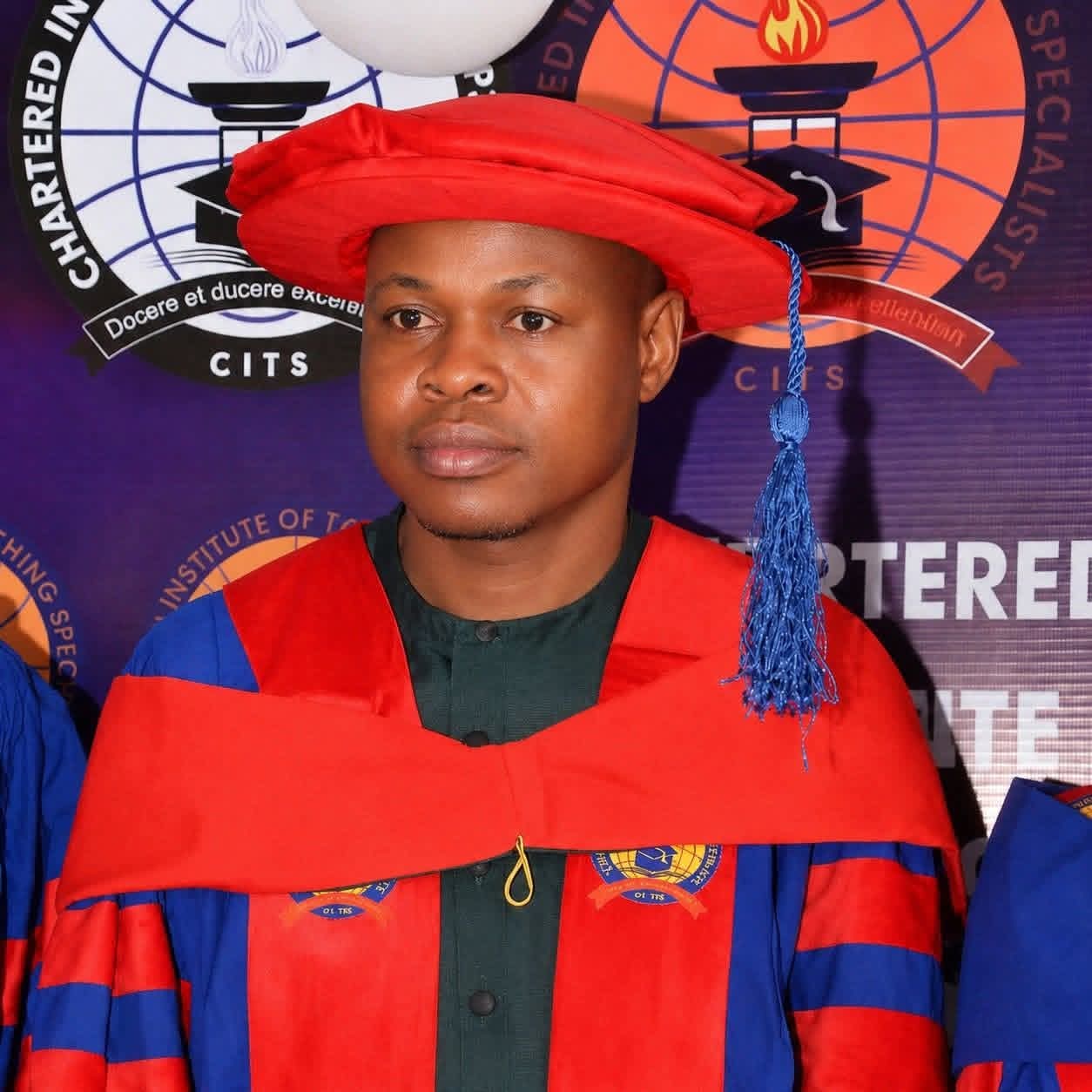







By Dr. Valentine Ejeh.
The debate surrounding indigeneity and citizenship in Nigeria remains one of the most sensitive and unresolved questions in the country’s nation-building process. Ideally, citizenship should be sufficient to guarantee equal rights, opportunities, and access to public goods for all Nigerians regardless of their place of origin.
However, the realities of Nigeria’s diverse ethnic landscape mean that concerns over ancestral land ownership, customary rights, and cultural preservation continue to shape public perceptions and political discourse.
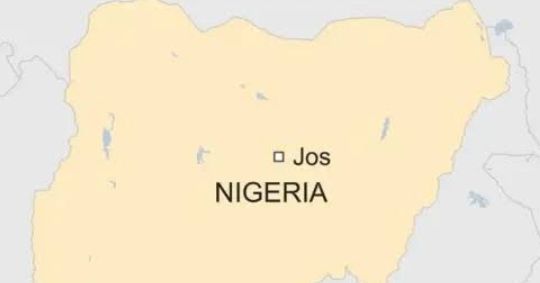
The recent court judgment conferring indigene status on members of the Hausa-Fulani community in Jos has generated widespread reactions. Unsurprisingly, the judgment has been celebrated not only by its direct beneficiaries but also by many Nigerians who view it as a step toward addressing long-standing grievances associated with the indigene-settler dichotomy.
Conversely, a significant number of Plateau citizens, including prominent political leaders such as Senator Jonah David Jang, have publicly rejected the judgment.
Their opposition stems from concerns that the ruling may fundamentally alter the historical understanding of indegeneity and potentially undermine the customary rights of communities regarded as the original inhabitants of the area.
The broader implication of the judgment is what has generated national attention. If long-term residence, historical presence, and generational continuity become sufficient legal grounds for indigene status, similar claims could emerge in numerous states across the federation.
Communities whose ancestors have lived in places such as Benue, Kogi, Enugu Ondo, Ekiti, Rivers, Delta, Abia, and other parts of southern Nigeria for several generations may seek comparable recognition.
Indeed, there are families across Nigeria whose lineage in particular localities stretches back three or four generations.
From another perspective, many Hausa communities already possess recognized ancestral homelands across several states in North-Western and North-Eastern Nigeria.
Consequently, some observers argue that the matter extends beyond ordinary questions of residency and citizenship and touches on deeper historical, political, and identity-related concerns.
The Fulani dimension of the debate has further complicated public perceptions.
Ordinarily, there should be nothing controversial about recognizing individuals whose families have lived continuously in a community for generations as belonging to that community.
However, the contemporary security environment has heightened suspicions and fears. Across parts of Nigeria and the wider West African region, concerns regarding banditry, kidnapping, violent extremism, and farmer-herder conflicts have influenced public attitudes toward Fulani populations.
While many analysts caution against ethnic profiling and collective blame, arguing that criminality should be attributed to individuals rather than entire ethnic groups, the reality remains that insecurity has created significant distrust among affected communities.
Such distrust, whether justified or not, has become an important factor shaping reactions to discussions on indegeneity and citizenship.
At the same time, it is important to recognize that the Fulani are an integral component of the Nigerian federation and have contributed significantly to the country’s political, economic, and cultural development. Therefore, any discourse that deepens ethnic polarization or stigmatizes entire communities risks undermining national unity, peace, and social cohesion.
The Plateau State judgment must therefore be approached with utmost sensitivity. Although legal avenues for appeal remain available, the matter transcends purely judicial considerations.
It is fundamentally a political, historical, and sociological issue with potentially far-reaching consequences for inter-group relations across Nigeria.
The Federal Government must tread carefully in navigating this delicate terrain. While promoting equal citizenship rights for all Nigerians, it must also ensure that legitimate concerns regarding ancestral heritage, customary land ownership, and cultural identity are not dismissed.
Sustainable peace will require a balanced approach that protects the constitutional rights of citizens while reassuring indigenous communities that their historical and customary interests will not be arbitrarily eroded.
Ultimately, Nigeria must find a framework that reconciles citizenship with cultural belonging, constitutional equality with historical realities, and national integration with local identity. Only through such a balanced approach can the country move beyond the indigene-settler divide and build a more inclusive and peaceful federation.
Amb. Valentine Opaluwa Ejeh, PhD
Conflict and Peace Scholar
Executive Director
ANU Community Peacebuilding and Environmental Sustainability Initiative (ACPESI)
Abuja, Nigeria