








*(A Call for Justice, Dignity, and Responsible Governance)*
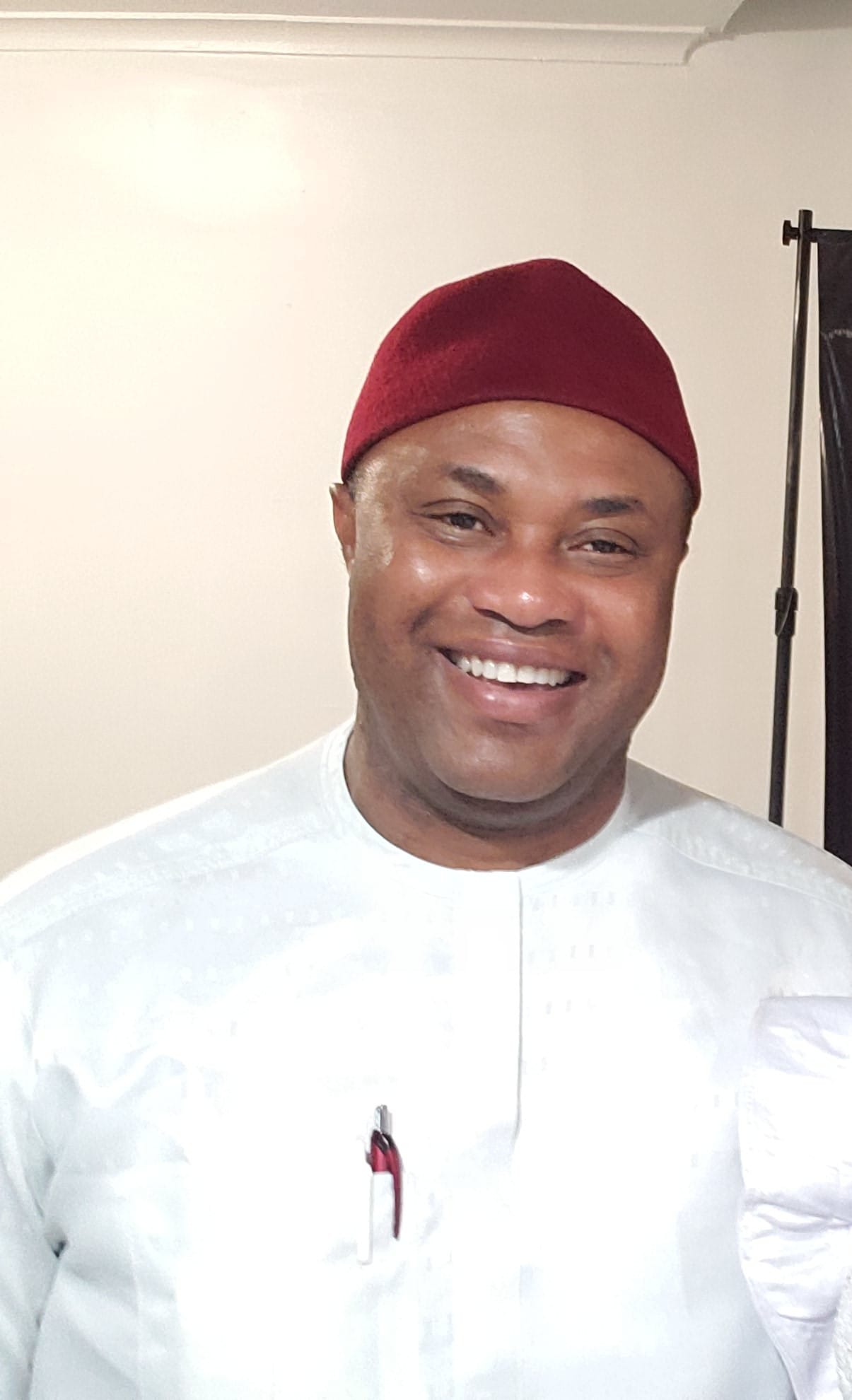
*By Jerome Aduojo Agi, Ph.D.*
A society is judged not merely by how it celebrates those in power, but by how it treats those who have faithfully served it after they leave office. Across Nigeria, and particularly in Kogi State, there exists a painful and often overlooked humanitarian and governance challenge—the unfortunate plight of former political appointees whose sacrifices in public service have gone largely unrewarded.
Political appointees occupy a unique position within government. Unlike elected officials, many are appointed to serve at the pleasure of the Governor or other public authorities. They become the bridge between government and the grassroots, carrying the enormous responsibility of interpreting government policies, defending the administration, mobilizing political support, resolving community concerns, and maintaining the confidence of the people.
Ironically, while they become the visible face of government in their communities, they often possess little or no executive authority over public funds. Most political appointees neither award contracts nor control government finances. Yet, because they are perceived as being close to power, their constituents expect them to provide employment opportunities, financial assistance, infrastructure, scholarships, medical support, and numerous other forms of assistance.
In reality, many political appointees are expected to perform miracles without the resources to do so.
The Governor and political leadership equally expect them to remain effective grassroots mobilizers who can consistently persuade their communities to support government policies and secure electoral victories. They become indispensable foot soldiers during campaigns and elections. Yet, many are not adequately empowered to carry out these enormous political and social responsibilities.
The burden becomes even more painful when governments fail to fulfill their own obligations to these public servants.
Across various administrations, many former political appointees have remained unpaid for months of salaries, statutory allowances, housing allowances, furniture allowances, vehicle allowances, and severance packages long after leaving office. Some spend years writing appeals and visiting government offices seeking what is rightfully theirs under the law.
This unfortunate situation creates severe economic and emotional hardship.
Many individuals accepted political appointments after leaving thriving private businesses and successful professional careers. During their tenure, ethical expectations rightly discourage them from exploiting public office for private enrichment. They devote themselves to public service believing that government will honour its contractual obligations.
Instead, many leave office financially depleted.
Some who were economically stable before entering government become poorer afterwards. Their businesses collapse. Their savings disappear. Debts accumulate. Family responsibilities increase. Medical bills become unbearable. Children are withdrawn from schools. Marriages experience enormous strain.
Perhaps even more painful is the misunderstanding from society.
Because the public assumes every political appointee has access to government wealth, former appointees are frequently mocked, ridiculed, cursed, and accused of greed whenever they are unable to meet endless financial requests from relatives, friends, political associates, and constituents.
Many gradually withdraw from public life—not because they have become arrogant—but because they can no longer bear the emotional burden of explaining a reality that few people are willing to believe.
The psychological consequences are profound.
Reports abound of former political appointees battling depression, anxiety, hypertension, and stress-related illnesses. Tragically, some have died while still pursuing the payment of their legitimate entitlements after years of faithful service to the state.
*This should never become the reward for public service.*
Government must remember that governance is a continuum.
Every administration inherits not only physical infrastructure but also legal, financial, and moral obligations created by previous governments. Outstanding salaries and lawful entitlements should never become casualties of political transitions.
A responsible government should establish mechanisms to ensure that inherited obligations are honoured promptly regardless of changes in political leadership. Doing so strengthens confidence in public institutions and demonstrates that the State honours its commitments.
The situation in Kogi State particularly deserves compassionate attention.
Many political appointees who served under the administration of His Excellency Captain Idris Wada between 2012 and 2016 have continued to seek payment of outstanding salaries, allowances, and severance benefits. According to those affected, several months of earned salaries and other lawful entitlements remain unpaid despite years of appeals. Even when these unpaid salaries and allowances were provided for in the over fifty Billion Naira Only bail out presented by HE Capt. Idris Wada to the President Buhari administration which was subsequently approved but funds withheld , and released to the government of H.E Alhaji Yahaya Bello.
Many of these former officials continued to participate actively in subsequent political campaigns, contributing their experience, influence, and limited personal resources to support later administrations and the continuity of democratic governance.
Today, many have grown old. Some have passed away. Others are seriously ill. Many continue struggling to support their families while awaiting benefits earned through lawful public service.
*This situation calls for reflection rather than political blame.*
Regardless of differing perspectives on historical events, every claim concerning unpaid statutory entitlements deserves transparent review, verification, and, where legally established, appropriate settlement. Addressing such obligations would not only bring relief to affected families but also reinforce public confidence in the fairness and credibility of government.
As preparations intensify toward future elections, governments at every level should recognize that political appointees remain an important pillar of democratic administration. They deserve respect, fair treatment, and the timely payment of benefits lawfully due to them.
Several practical reforms deserve consideration :
– Prompt payment of salaries and statutory allowances while in office.
– Automatic payment of severance benefits immediately after tenure.
– Creation of a permanent budgetary provision for inherited obligations.
– Establishment of a transparent verification and settlement committee for outstanding claims.
– Periodic welfare and healthcare support for former political appointees facing severe hardship.
– Institutional reforms to ensure that no future administration leaves accumulated obligations unresolved.
Such reforms would strengthen governance, improve morale among public servants, and encourage capable professionals to continue accepting appointments without fear that public service will become a pathway to financial ruin.
Public office should never become a punishment for patriotism.
Those who answer the call to serve should not leave government carrying unpaid salaries, broken health, shattered livelihoods, and forgotten promises.
A nation that honours those who serve it strengthens the foundations of democracy itself.
As Kogi State continues its journey of development, many citizens and former public servants look with hope to the administration of His Excellency Alhaji Ahmed Usman Ododo to consider this longstanding humanitarian concern with fairness, compassion, and due process. A transparent review of outstanding entitlements and lawful claims, where verified, would provide relief to affected families and reaffirm the principle that government remains accountable across successive administrations.
*Justice delayed should not become justice denied.*
The measure of leadership is not only in initiating new projects but also in honouring legitimate obligations left behind. When governments keep faith with those who have faithfully served, they strengthen trust in public institutions and inspire future generations to embrace public service with confidence rather than fear.
History will always remember leaders who combine administrative competence with compassion, justice, and respect for the dignity of every public servant.