





By
Sam Jibrin
Makinde & Daura Movement for the Emancipation of Nigeria
As Nigeria approaches the 2027 presidential election, citizens must look beyond political popularity and party affiliations to examine leadership competence, policy credibility and the capacity to improve living conditions.
Persistent insecurity, unemployment, poverty and rising living costs demand leadership capable of translating national resources into tangible benefits for ordinary Nigerians.
The International Monetary Fund (IMF, 2025) acknowledged improvements in some aspects of Nigeria’s macroeconomic position while highlighting continuing poverty and food insecurity. This demonstrates that economic reforms must ultimately be measured by their impact on households.
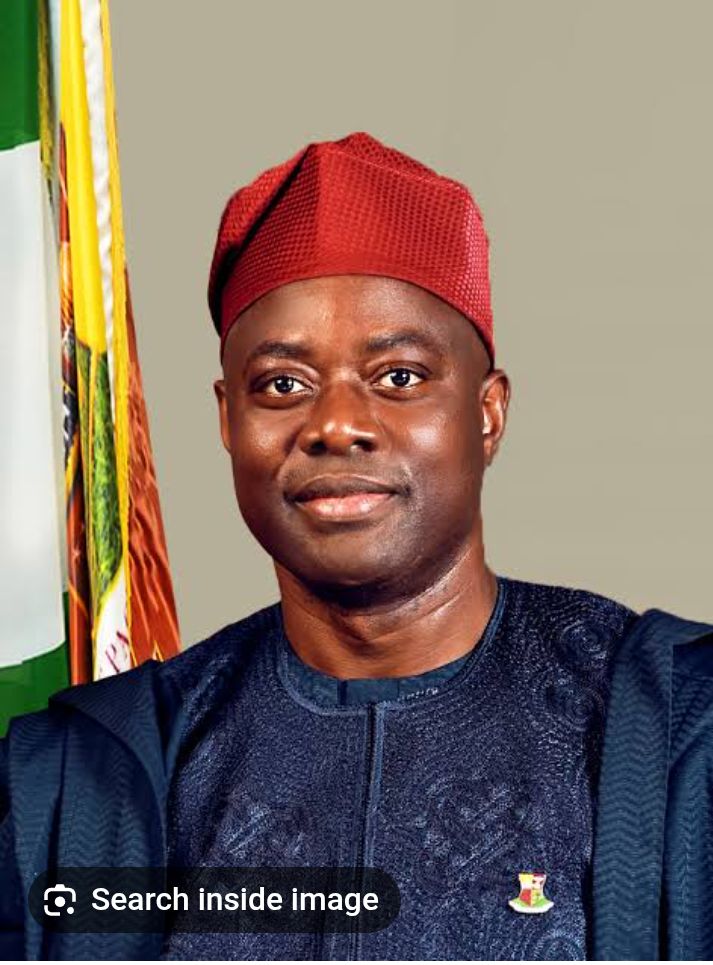
Against this background, Engineer Seyi Makinde, Governor of Oyo State and presidential candidate of the Allied Peoples Movement (APM), deserves serious consideration.
His professional background, Executive experience and published Reset Nigeria Agenda provide a foundation for evaluating his readiness to lead the country.
Leadership Competence and Generational Renewal
Nigeria needs leadership that combines professional competence, administrative experience, accountability and innovative thinking.
Popularity alone cannot establish a candidate’s ability to manage public finances, coordinate institutions or respond effectively to national emergencies.
Makinde’s governorship, which began in 2019, provides a contemporary record for assessing his approach to infrastructure, education, healthcare, economic development and public administration.
His administration reports achievements across these areas, although such claims should be tested against independent evidence and measurable outcomes (Makinde, n.d.-a).
Generational renewal is equally important. Nigeria’s youthful population needs greater access to employment, education, entrepreneurship and political participation.
However, renewal should not be determined by age alone; it should involve fresh ideas, effective institutions and opportunities for capable Nigerians to contribute to national development.
Makinde’s professional experience and continuing executive responsibilities offer an opportunity to connect established administrative experience with the aspirations of younger citizens. His strongest argument will be his ability to demonstrate that his policies can create opportunities rather than merely promise them.
Economic Reform and People-Centred Development
Nigeria requires an economy that creates jobs, supports businesses, improves productivity and makes essential goods and services more affordable.
The World Bank (2025) emphasised the importance of translating economic reforms into inclusive growth through better public spending, human-capital development and social protection.
Makinde’s Reset Nigeria Agenda identifies infrastructure, productive enterprise and reductions in the structural costs of doing business as important development priorities (Makinde, n.d.-b). These proposals address practical challenges such as transportation costs, inadequate infrastructure and barriers to investment.
Nevertheless, a credible presidential programme must explain how its proposals will be financed, implemented and evaluated. Nigerians need clear targets for employment, infrastructure, productivity and poverty reduction.
Economic reform must also protect vulnerable households. Fiscal discipline is necessary, but it should be accompanied by effective social protection and improved access to essential services. The ultimate measure of economic leadership is whether national development translates into improved living standards.
Security, Education and National Integration
Security remains a fundamental responsibility of government. Nigeria needs effective intelligence gathering, coordination among security agencies, professional investigation and stronger community engagement.
Makinde’s published national agenda emphasises intelligence-led security, inter-agency cooperation and accountability (Makinde, n.d.-b). These priorities are relevant, but their success will depend on implementation, institutional discipline and respect for constitutional rights.
Education is equally essential to national development. Nigeria must improve foundational learning, teacher development, technical education and vocational training to prepare its population for employment in agriculture, manufacturing, technology and other productive sectors.
A credible national education policy should establish measurable targets and address inequalities in school access, educational quality and infrastructure. Makinde’s proposals must therefore be assessed by their practical implementation plans, funding arrangements and expected outcomes.
National integration also requires leadership capable of working across ethnic, religious and regional differences. A president must build cooperation among state governments, legislators, businesses, civil society and traditional institutions while respecting constitutional democracy.
Governance and Accountability
No individual leader can transform Nigeria without effective institutions. Transparent procurement, professional public administration, independent oversight and responsible management of public resources are essential to sustainable development.
Makinde’s national agenda identifies institutional reform and accountability as important priorities. These commitments should translate into transparent government expenditure, measurable performance targets and accessible public information.
The same standards must apply to Makinde himself. His achievements should be independently evaluated, shortcomings acknowledged and proposed national reforms subjected to public scrutiny.
Leadership credibility is strengthened when candidates demonstrate a willingness to be judged by evidence rather than political rhetorics.